Finding a therapist can feel daunting for anyone. But for BIPOC individuals — Black, Indigenous, and People of Color — there’s an additional layer of complexity: finding a therapist who won’t require you to spend your sessions educating them, minimizing your racial experiences, or code-switching just to be understood.
This guide is specifically for people in the Tulsa area who are looking for culturally affirming mental health support.
Why Cultural Competence Matters in Therapy
Mental health care was not historically designed with BIPOC communities in mind. Mainstream psychology developed in predominantly white academic and clinical settings, and many of its models are rooted in individualism, a cultural framework that doesn’t reflect the values or lived realities of many communities of color.
When therapists lack cultural competence, the result can be subtle but harmful. Your therapist might pathologize behaviors that are adaptive survival responses to racism. They might treat your community ties as enmeshment. They might focus on “personal responsibility” in ways that ignore systemic context. They might simply not “get it” — and that rupture in the therapeutic relationship can re-traumatize rather than heal.
“Therapy works best when you don’t have to shrink yourself to fit inside the room.”
What to Look for in a BIPOC-Affirming Therapist
They understand racial trauma
Race-based stress and racial trauma are real clinical phenomena. A competent therapist understands how chronic exposure to racism, microaggressions, and systemic injustice affects the nervous system, mental health, and identity development.
They don’t require you to prove your experience
You should never feel like you need to justify, explain, or soften your experiences of racism in your own therapy session. A good therapist takes your account of your experience at face value and works with it, not around it.
They have cultural humility, not just cultural knowledge
Cultural humility means ongoing learning, self-reflection, and an openness to being corrected. It’s different from claiming to “know” your culture. A humble therapist understands that you are the expert on your own experience.
Your intersecting identities are held simultaneously
Being a Black woman, a Latine queer person, or a Native American man means holding multiple identities that intersect in complex ways. A good therapist doesn’t compartmentalize — they hold the whole picture.
Practical Tips for Finding an Affirming Therapist in Tulsa
- Psychology Today’s filter: Search for therapists in Tulsa and filter by “Black/African American” or “Racial Identity” as a specialty
- TherapyDen: A directory known for diverse, affirming therapists; filter by specialty and location
- Therapy for Black Girls: A national directory focused specifically on Black women and girls
- Open Path Collective: For affordable options for therapists who see BIPOC clients on sliding scale
- Ask directly in the consultation: “How do you incorporate clients’ racial and cultural identities into your work?” The answer tells you a lot.
Questions to Ask in a Consultation
- How do you approach racial trauma in your practice?
- Have you received specific training in working with BIPOC clients?
- How do you handle it if I feel like you’ve missed something about my cultural experience?
- Do you work from a social justice or anti-oppression lens?
Becoming Her Counseling
At Becoming Her Counseling in Tulsa, working with BIPOC clients is not an add-on or an afterthought — it is central to my practice. I am deeply committed to providing affirming, culturally responsive care. If you’d like to schedule a free 15-minute consultation to see if we’d be a good fit, I’d be honored to connect.
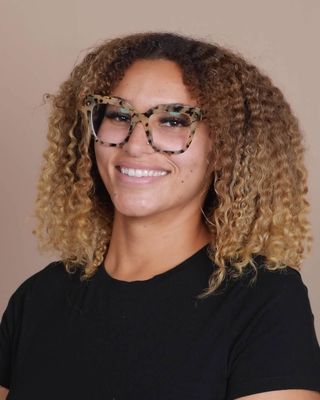
Want to talk to Jerrica?
If this resonated with you, a free 15-minute consultation is a great next step. No paperwork, no commitment — just a conversation.
Schedule Free Consultation